WORKING TOGETHER, MOVING AS ONE: Cooperative Institutions Forge a Unified Direction for the Philippine Cooperative Movement
Three days of dialogue, strategic alignment, and collective commitment culminate in the historic signing of the Stella Maris Declaration
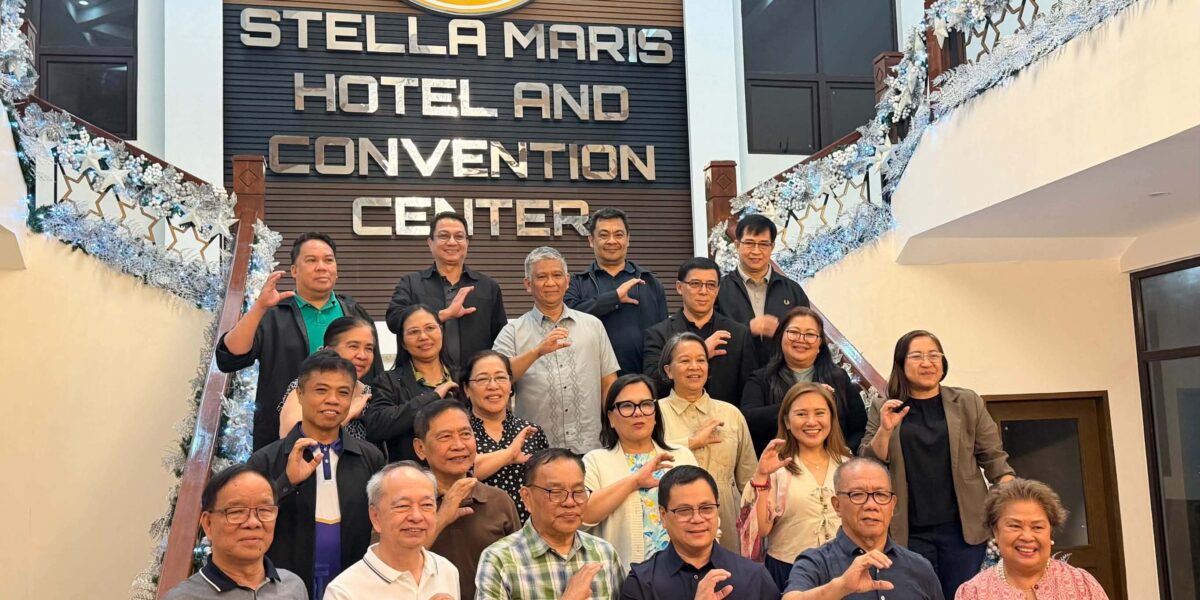
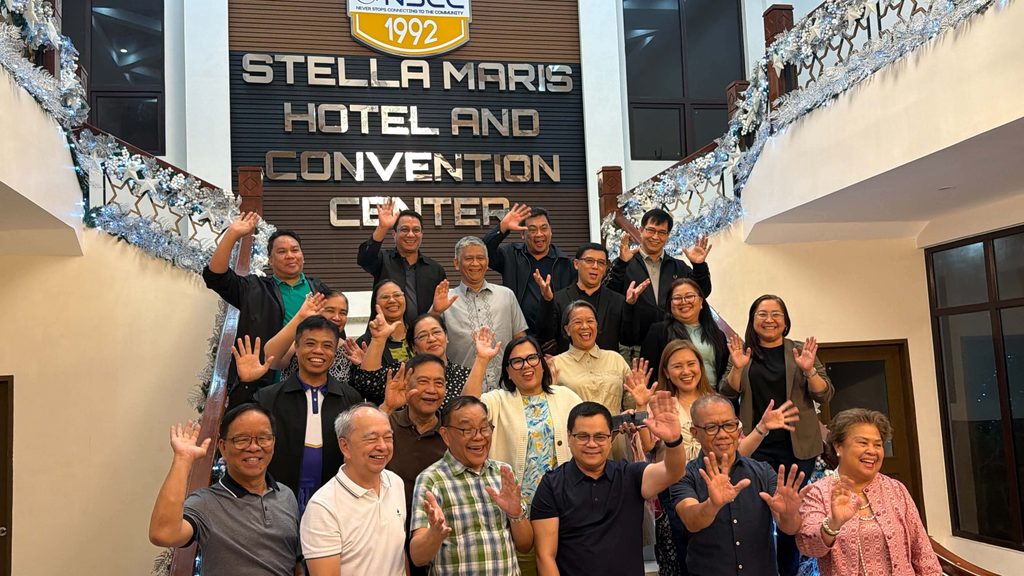
CABUGAO, ILOCOS SUR — Recognizing that the strength of the Philippine cooperative movement lies not only in the accomplishments of individual institutions but also in their ability to work together toward a common purpose, key leaders and stakeholders of cooperative organizations gathered for a historic three-day planning workshop on October 26–28, 2026, at the NSCC Stella Maris Hotel and Convention Center in Cabugao, Ilocos Sur.
Organized by the Cooperative Development Authority (CDA), the Joint Planning Workshop on Comprehensive and Unified Planning for Cooperative Organizations brought together institutional partners to establish a common understanding of the movement’s current realities, harmonize strategic priorities, strengthen institutional collaboration, and chart a unified direction for the future of Philippine cooperatives.
Facilitated by Ms. Sylvia O. Paraguya, Chief Executive Officer of the National Confederation of Cooperatives (NATCCO), and Ms. Lasalette Gumban, Head of the Strategic Management Group, the workshop provided a venue for meaningful dialogue, candid assessment, and collaborative planning among organizations that play important roles in advancing cooperative development.
The gathering was attended by Congressman Felimon Espares of the COOP-NATCCO Party-List; Undersecretary Alexander Raquepo of the CDA; Administrator Emmanuel Santiaguel; Assistant Secretary Luz Yringco; Assistant Secretary Vergil Hilario; and Assistant Secretary Jesus Ortega, together with leaders and representatives from the National Alliance of Cooperatives (NAC), National Cooperative Development Council (NCDC), League of Cooperative Development Officers of the Philippines (LCDOP), National Union of Cooperatives (NUC), and COOP-NATCCO Party-List.
A Movement at a Defining Moment
The Philippine cooperative movement has grown into a significant force in the country’s economic and social development. With more than 14 million members and over ₱800 billion in assets, the sector represents an enormous collective capacity to advance inclusive growth, strengthen local economies, and improve the livelihoods of millions of Filipinos.
Yet, as recognized in the Stella Maris Declaration, the movement’s considerable size and potential must be matched by stronger institutional coordination, sound governance, and a clear and shared strategic direction.
The declaration identified several structural and operational challenges that require collective attention, including governance deficits, mission drift, fragmented coordination among regulating bodies and federations, slow technology adoption, poor youth engagement, and an unharmonized regulatory environment.
These realities underscored the importance of bringing the movement’s institutional partners together—not merely to discuss their respective programs and accomplishments, but to honestly examine existing gaps and determine how their collective resources and capabilities could be better utilized to support the growth of the movement.
By situating cooperative development within these broader frameworks, participants recognized that the movement must continue evolving while remaining firmly rooted in its identity as a democratic, member-owned, and member-controlled enterprise.
DAY 1 | OCTOBER 26
WHERE WE ARE: Assessing the State of the Movement and Establishing a Shared Vision
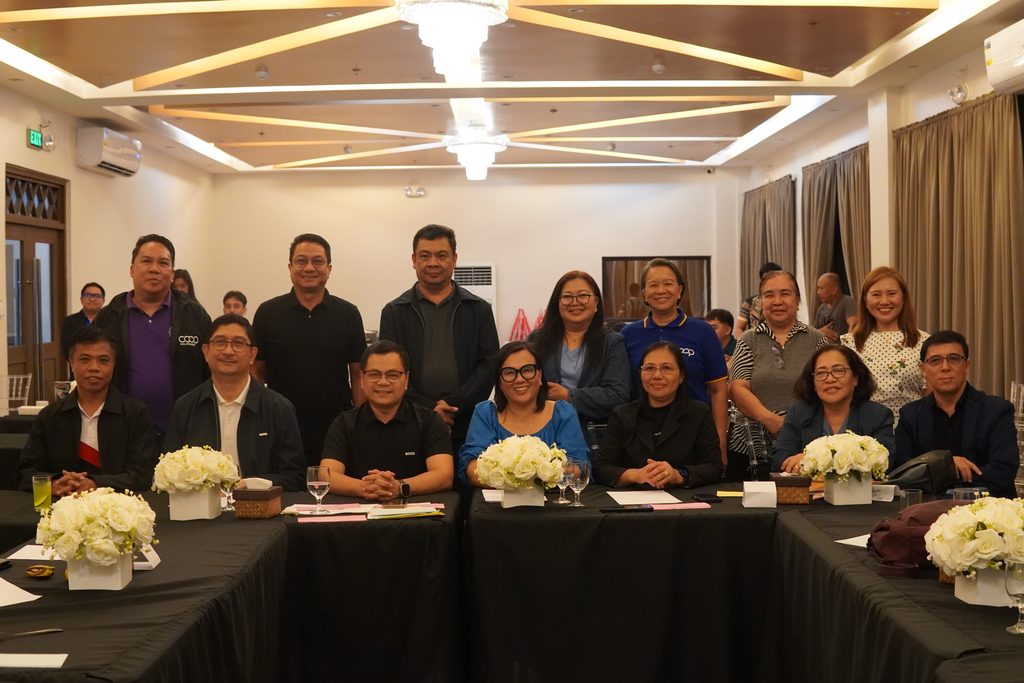
The first day laid the groundwork for the three-day planning process by examining the present state of the cooperative movement and establishing a common understanding of the challenges and opportunities confronting the sector.
Discussions began with a review of the fundamental principles and values that define cooperatives. The ICA Cooperative Identity provided the philosophical foundation for the conversations, reinforcing the importance of democratic governance, member participation, autonomy, solidarity, and concern for community.
Participants also examined how cooperative development contributes to the achievement of the SDGs and how institutional plans could be aligned with national aspirations articulated in the Philippine Cooperative Development Plan and AmBisyon Natin 2040. These discussions highlighted the need to ensure that cooperative institutions remain responsive to changing economic and social conditions without compromising the fundamental values that distinguish cooperatives from other forms of enterprise.
A major component of the day’s proceedings was an intensive Strengths, Weaknesses, Opportunities, and Threats (SWOT) analysis.
Through this exercise, participants assessed the movement’s institutional strengths, existing limitations, emerging opportunities, and external challenges. The exercise encouraged a broader perspective, allowing participants to look beyond the performance of individual organizations and examine the overall condition of the cooperative ecosystem.
The discussions brought attention to the need for stronger institutional coordination, improved governance, more effective resource utilization, greater technological adaptation, and sustained engagement with cooperative members, particularly the youth. More importantly, the exercise provided an opportunity to recognize that many of the challenges confronting the sector are interconnected and cannot be effectively addressed through isolated institutional interventions.
From this collective assessment emerged the need for a shared vision that would guide the movement beyond individual organizational priorities. The first day thus established the foundation for the succeeding discussions: a shared understanding of where the movement stands and a collective aspiration for where it wants to go.
DAY 2 | OCTOBER 27
WHERE WE ARE GOING: Defining Strategic Priorities and Designing Joint Flagship Programs
With the movement’s present realities examined and a common vision taking shape, the second day shifted the focus toward identifying strategic priorities and translating shared aspirations into collaborative initiatives.
The discussions confronted what were described as the movement’s unspoken realities—issues that needed to be openly acknowledged if institutional cooperation was to become more meaningful and effective.
Participants examined the consequences of fragmented programs, overlapping institutional functions, disconnected development interventions, and the absence of sufficient coordination among organizations serving the cooperative sector. The conversations reinforced an important realization: while individual institutions may have their own mandates, expertise, resources, and accomplishments, their collective impact can be significantly strengthened when these capabilities are brought together in pursuit of shared objectives. Rather than duplicating efforts or competing for similar spaces, institutions were encouraged to identify opportunities for complementarity and collaboration.
The process advanced into a shared digitized document, where the groups worked on developing joint flagship initiatives that participating institutions could pursue collaboratively. It challenged participants to consider how their organizations could contribute to concrete programs. These programs would benefit cooperatives. This would also strengthen the movement as a whole.
Among the major areas of concern were the preservation of cooperative identity, the strengthening of smaller cooperatives, the need for reliable sector information, the development of cooperative value chains, and closer collaboration in local cooperative development planning. The discussions also emphasized the importance of supporting the unification of the cooperative movement as a strategic objective in itself.
By the end of the second day, participants had laid the groundwork for a more integrated approach to cooperative development—one that recognizes institutional diversity while pursuing a common strategic direction.
DAY 3 | OCTOBER 28
HOW WE WILL MOVE TOGETHER: Clarifying Institutional Roles, Establishing a Roadmap, and Formalizing Collective Commitments
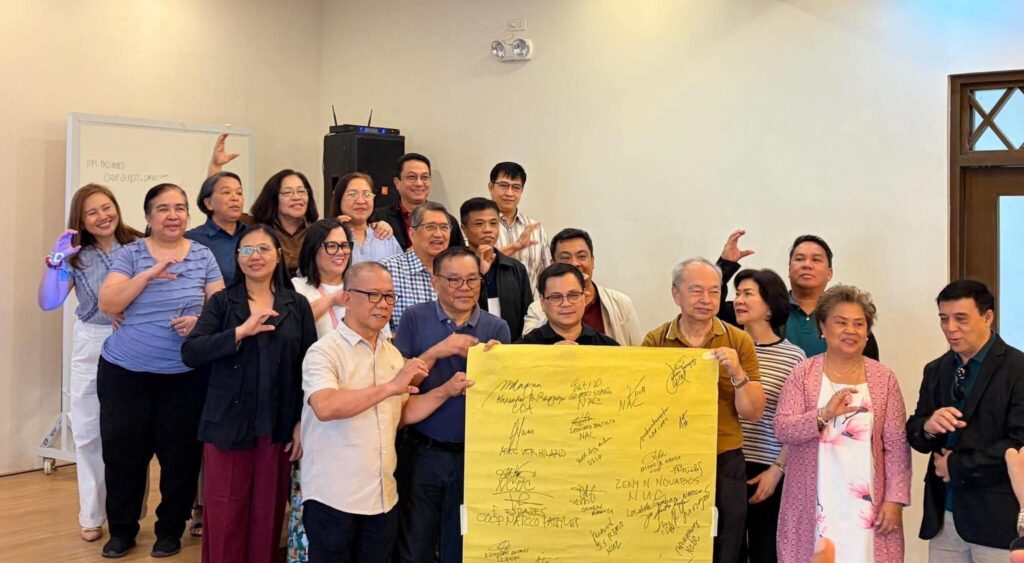
The final day brought the planning process toward its central objective: determining how the institutional partners would translate their shared vision and strategic priorities into coordinated action.
Building on the previous day’s discussions, participants focused on institutional roles, responsibilities, and the importance of establishing clear areas of collaboration. The discussions sought to address overlapping functions, identify complementary institutional contributions, and strengthen coordination among the organizations involved in advancing cooperative development.
A shared vision can only produce meaningful results when institutions understand their respective responsibilities and are willing to work together in implementing common priorities.
The development of an action roadmap therefore became an important part of the final day’s proceedings, connecting the strategic directions identified during the workshop with the need for sustained institutional engagement and coordinated implementation. The process culminated in the adoption and signing of a landmark document that would formally express the participating institutions’ shared aspirations and commitments.
THE STELLA MARIS DECLARATION: A Historic Commitment to a Unified and Empowered Philippine Cooperative Movement
One of the most significant outcomes of the three-day gathering was the signing and proclamation of the Stella Maris Declaration on a Unified and Empowered Philippine Cooperative Movement on October 28, 2026.
The declaration represented the collective resolve of the participating institutions to transcend fragmentation, eliminate duplicated efforts and destructive competition, harmonize institutional mandates, and mobilize their collective resources under a singular and transformative vision. It affirmed the importance of enduring solidarity, improved member livelihoods, resilient communities, total human development, and nation-building.
At the heart of the declaration is a collective vision that captures the future the participating institutions aspire to achieve:
“A unified and inclusive movement, rooted in cooperative identity and empowered members for shared prosperity.”
More than a statement of unity, the declaration provided a strategic direction for the movement by identifying the challenges that must be addressed and the flagship programs that will guide collaborative efforts.
As the Philippine cooperative movement moves toward 2030, the challenge is to ensure that the vision proclaimed in Stella Maris becomes a living commitment—reflected in stronger cooperatives, empowered members, resilient communities, and institutions that work together in the service of the greater good.